6 Pre Interview Tips for Management Teams in 2026
Published
Your management team is halfway through explaining transaction monitoring when the interviewer asks to see an alert investigation. The compliance lead describes an automated workflow. The operations lead says analysts still work from a spreadsheet. The application promises a system that hasn't yet been built. A question about controls has become a question about whether management understands its own business.
That's why the interview is won before the room is booked. Regulators aren't testing whether executives can repeat policy language. They're examining whether the people in the room understand the business, own their responsibilities and can support their answers with evidence.
The most useful pre interview tips therefore concern preparation, not performance. You need a consistent account of the application, clear ownership and an honest distinction between arrangements operating today and those planned for later.
A polished answer won't fix an unresolved operating decision. Resolve the decision, update the documents and then practise explaining it.
Start with the submitted package, not a presentation assembled for the meeting.
Table of Contents
- 1. Re-read the full application and reconcile every document before the interview
- 2. Map each interviewee to their responsibilities and accountability
- 3. Distinguish operating controls from planned controls and prepare the evidence
- 4. Prepare for ICT resilience, outsourcing and third-party risk questions
- 5. Explain AI use, model risk and human oversight in plain terms
- 6. Anticipate challenge on financial crime, customer protection and safeguarding
- 7. Run structured mock interviews and maintain a commitments log
- How each preparation step compares on focus, evidence and typical questions
- Turning Preparation Into Confident, Consistent Answers
1. Re-read the full application and reconcile every document before the interview
Read the complete submission, including attachments and subsequent correspondence. Don't assume the business plan remains consistent with policies that different teams have updated since filing.
Check the business model, customer types, services, revenue assumptions, headcount and outsourcing arrangements across every document. Treat the package as a single account of how the firm will operate, not separate documents owned by separate departments.

Resolve contradictions before rehearsing answers
Say a cryptoasset applicant's white paper describes in-house custody, while its operating procedures refer to an external custodian. This isn't a wording problem. Management must settle the operating arrangement, assess the consequences and correct every affected document.
Use a shared fact sheet rather than asking executives to remember which draft is current:
- Core facts: Record legal entities, responsible individuals, services, customer groups and material providers.
- Financial assumptions: Reconcile staffing, projected activity, costs and funding with the operating model.
- Change history: Identify what changed after filing, why it changed and which documents require correction.
- Regulatory corrections: Flag material inaccuracies through the appropriate correspondence route rather than waiting for the interviewer to uncover them.
The trade-off is straightforward. Reconciliation takes time away from rehearsals, but practising an inconsistent account wastes that rehearsal time.
Keep the fact sheet alongside your FCA application process materials. Each interviewee should understand the full business narrative, even where another executive owns the underlying detail.
2. Map each interviewee to their responsibilities and accountability
An organisation chart tells the interviewer who reports to whom. It doesn't explain who decides whether to stop onboarding, challenge a provider or escalate a control failure.
The FCA's senior-management assessment guidance says it may examine candidates' regulatory responsibilities, role scope, knowledge and experience, alongside the firm's business model, controls, governance and culture. Prepare around those responsibilities rather than a generic list of interview questions.

For each executive, prepare a concise responsibility summary covering decisions owned, delegated activities, reporting lines, management information and escalation triggers. Cross-reference it to the governance framework and any applicable statement of responsibilities.
Accountability test: Explain what you would do if the person carrying out the control failed to act. Delegation isn't an answer to that question.
For example, a proposed compliance officer should explain which financial-crime reports they review, what would trigger intervention and how they would take an unresolved concern to the board. Naming the committee is insufficient without explaining the decision it can make.
A step-by-step RACI setup guide can help distinguish who performs an activity from who remains accountable. Don't let the matrix become a substitute for judgement, especially where an incident crosses departments.
Use your FCA Senior Managers Regime preparation to test those boundaries. Ask executives separately about the same incident, then compare their answers for gaps, overlaps and contradictory escalation routes.
3. Distinguish operating controls from planned controls and prepare the evidence
Consider a payments applicant asked how it reconciles customer funds. A credible answer explains the current procedure, presents a completed reconciliation and identifies the automation still under development.
Claiming full automation because it appears in the target operating model creates an avoidable credibility problem. A planned control and an operating control need different descriptions and different evidence.
Label status before collecting documents
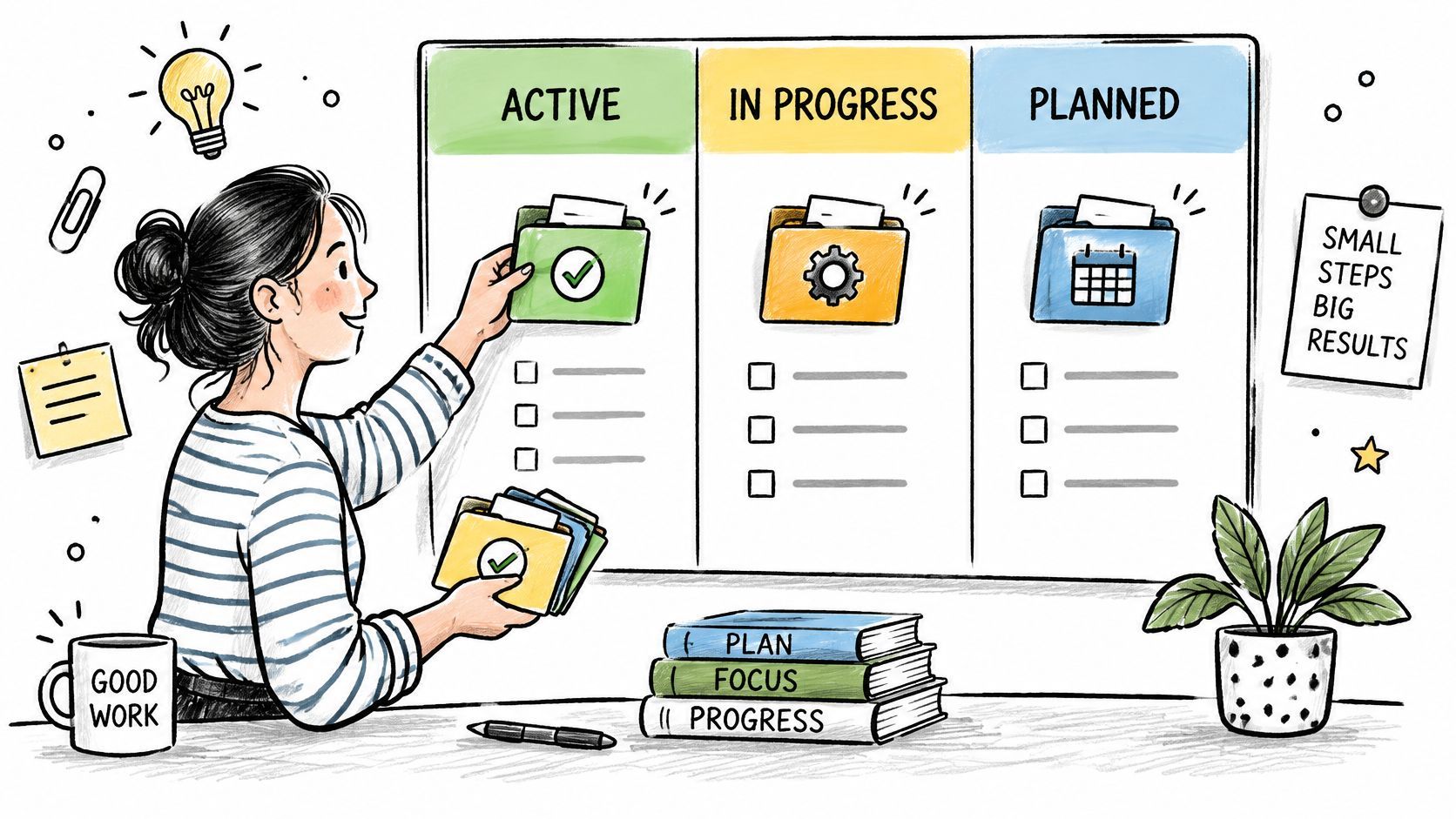
Maintain a controls register that distinguishes:
- Operating: Identify the owner, procedure, recent output and evidence of review.
- Being implemented: Record what exists, what remains unfinished and how completion will be tested.
- Planned: Explain dependencies, approval requirements and any restriction on activity before implementation.
Keep evidence in an indexed folder with clear filenames and controlled access. Useful material includes exception logs, test results, board minutes, investigation records and approved remediation decisions.
Don't confuse a policy with proof of execution. A procedure explains what staff should do; a completed record helps demonstrate what they did.
For a system not yet handling live customers, describe test outputs as test outputs. Explain the test conditions, unresolved defects and criteria for operational acceptance rather than presenting a demonstration as live performance.
This is also where management must confront a difficult trade-off. An interim manual process may be explainable, but only if capacity, checking and escalation are credible for the proposed activity.
Prepare your control evidence pack around the question each record answers. Executives should be able to retrieve the relevant evidence without searching through unrelated folders during the interview.
4. Prepare for ICT resilience, outsourcing and third-party risk questions
Start with a failure scenario, not a list of technology suppliers. Ask what happens if the cloud provider supporting onboarding becomes unavailable while customers are submitting identity documents.
The responsible executives should explain how staff detect the outage, who assesses customer impact, who leads the response and how the firm restores service. They should also distinguish a recovery objective from a recovery capability that has been tested.
Walk through the service, not just the contract
Run a tabletop exercise before the interview and record decisions, uncertainties and corrective actions. Follow the business service through its dependencies, including identity verification, cloud hosting, communications and outsourced support.
- Detection and escalation: Identify the alert, the person receiving it and the threshold for senior involvement.
- Customer handling: Explain what customers can still do, what staff communicate and how urgent cases are managed.
- Recovery and exit: Describe restoration steps, access to necessary data and the practical alternative if the provider cannot recover.
- Evidence: Keep the exercise record, provider assessment, contractual provisions and outstanding actions accessible.
For a business operating across the EU and UK, prepare a jurisdiction-specific account of DORA and UK operational-resilience requirements. Don't present them as interchangeable or assume a group policy resolves every local question.
The FCA's proposed cryptoasset regime consultation also addresses prudential requirements through CRYPTOPRU and COREPRU, including own funds and basic liquidity. These are proposals, not a basis for describing future requirements as current obligations.
Bring finance into the outage discussion. Management should understand how disruption affects available cash, supplier costs and the ability to continue serving customers, not just the technology recovery plan.
5. Explain AI use, model risk and human oversight in plain terms
The chief risk officer says the onboarding tool only flags inconsistencies. The technology lead then describes a score that can reject an applicant with no staff review. Those answers cannot both be the firm's story.
Start with the decision the tool influences. Say whether it extracts documents, flags inconsistencies, recommends rejection, or reaches an outcome without staff approval. The model name can wait.
Build an AI and model inventory that names the use case, provider, input data, output, accountable owner, testing approach and human intervention point. Include third-party tools. An inventory limited to models built in-house leaves out the tools staff use, and those are often the ones an interviewer will ask about.
Human oversight means a named person who can challenge an output, the information that person receives, and the authority to override it. If that authority exists only in a control planned for later, say so. The test is whether the people in the room own the same account of a control that operates today, and can point to evidence of it.
A lending firm that uses a credit-scoring model should explain the validation and bias testing already done, how disputed or declined applications are reviewed, and which monitoring reaches the risk committee. A narrow process with findings is stronger than a general claim that the model is fair.
Prepare for limitations, not just benefits
Rehearse a wrong or unreliable output. Explain how staff detect it, restrict use, assess affected customers and approve remediation. That answer is harder than listing benefits. It is also the one that shows the control works.
Avoid unexplained jargon. Explainability and validation add nothing unless you describe the review performed and what it found.
When you cite a regulator speech, review or consultation on AI, state its status. Make clear whether it is a binding rule or a proposal. A speech is not a rule the firm must already meet.
Apply the same discipline to your own preparation. The Greenhouse 2025 UK workforce survey found that 50% of UK jobseekers used AI for interview preparation. That finding does not permit its use in a regulatory interview, and it does not replace an answer the accountable person can defend if the question changes.
Use AI to draft challenge questions where that helps. Do not upload confidential application material without checking the firm's information-handling rules, and do not memorise a script you cannot explain.
6. Anticipate challenge on financial crime, customer protection and safeguarding
Follow a customer from onboarding to exit. At each stage, explain the risk, the control, the decision-maker and the record retained.
For a cryptoasset business, that discussion may include sanctions screening, transaction monitoring, travel rule arrangements and custody. For a payments business, it may centre on money movements, safeguarding arrangements, reconciliation and exception handling. Describe the requirements applicable to your actual activity, rather than borrowing terminology from another business model.
The FCA's cryptoasset application guidance expects the MLRO or nominated officer to be prepared for a fit-and-proper interview, including where already approved elsewhere in the group. It also highlights firm-specific cryptoasset knowledge, sufficient capacity and unmanaged conflicts as application considerations.
Explain the decision after the alert
Say a blockchain analytics tool identifies high-risk wallet exposure. Walk through how the analyst evaluates the alert, what triggers escalation, who decides whether activity can continue and how the reasoning is recorded.
- Financial-crime evidence: Prepare risk assessments, investigation examples, escalation records and monitoring tests.
- Asset protection: Explain applicable custody or safeguarding arrangements, reconciliation frequency and discrepancy handling.
- Customer outcomes: Show how communications, complaints and identified harm lead to review and corrective action.
Don't claim that buying a recognised screening product proves the control works. Management still needs to understand configuration, coverage, exceptions and oversight.
Use the financial crime risk assessment as the starting point for these explanations. The controls should respond to the risks the firm has identified.
Where Consumer Duty applies, prepare evidence of customer outcomes rather than relying on policy statements. Rehearse a sanctions match and an asset discrepancy separately, because the decision paths and responsible people may differ.
7. Run structured mock interviews and maintain a commitments log
A useful mock interview exposes uncertainty. It doesn't reward the executive who gives the longest answer or the adviser who supplies missing detail.
Assign someone to challenge fairly and follow answers through to evidence. Ask what happens next, who decides, what record proves the action and what management would do if the control failed.

The UK Civil Service statistical recruitment guidance combines assessment of behaviours, strengths, experience, ability and technical capability, using formats that can include scenarios and past evidence. That's a useful rehearsal model, not an FCA interview specification.
For example, ask a founder to explain a funding shortfall, then ask the finance and risk leads independently how they would respond. Compare assumptions, approval routes and operating restrictions.
Turn weak answers into assigned actions
Maintain a commitments log containing the question, missing evidence or decision, owner, deadline and closure record. Use it during preparation and to capture undertakings made in the formal interview.
- Unanswered questions: Assign investigation rather than drafting a plausible response.
- Inconsistent answers: Resolve the operating issue before agreeing revised wording.
- Follow-up promises: Check that the responsible person can deliver before committing.
Also confirm format, technology and accessibility needs early. Government reasonable-adjustment guidance identifies options such as changed formats, written or advance questions, extra time and assistive technology for disabled applicants in recruitment.
Clarify the arrangements available for your particular interview and rehearse accordingly. Don't mistake pressure for realism if the practice format prevents someone from demonstrating their competence.
How each preparation step compares on focus, evidence and typical questions
| Item | Primary focus | Key evidence to prepare | Typical regulator question | Main owner |
|---|---|---|---|---|
| Re-read the full application and reconcile every document before the interview | Consistency across the application package | Reconciled documents, fact sheet, and change log | Do your business plan, projections, and procedures describe the same arrangements? | Application lead |
| Map each interviewee to their responsibilities and accountability | Individual accountability and governance | Responsibilities summaries, governance chart, and competence evidence | Which decisions and controls are you personally accountable for? | Senior managers and controlled-function holders |
| Distinguish operating controls from planned controls and prepare the evidence | Control readiness and implementation status | Controls register, test records, logs, policies, and reports | Which controls operate today, and what evidence shows they work? | Control owners |
| Prepare for ICT resilience, outsourcing and third-party risk questions | Operational resilience and provider oversight | Service impact tolerances, incident procedures, provider register, and recovery or exit plans | How would you respond to a critical provider outage? | ICT and operational resilience lead |
| Explain AI use, model risk and human oversight in plain terms | AI governance, model risk, and customer outcomes | AI inventory, validation results, monitoring reports, and oversight procedures | How are automated decisions tested, monitored, and reviewed by people? | AI or model risk owner |
| Anticipate challenge on financial crime, customer protection and safeguarding | Financial crime controls, asset protection, and customer outcomes | Due diligence procedures, monitoring evidence, reconciliation records, and complaints data | How do you detect financial crime and protect customer assets in practice? | Compliance and safeguarding leads |
| Run structured mock interviews and maintain a commitments log | Interview readiness and follow-through | Mock interview findings, question bank, and commitments log | How will you track and deliver any actions agreed during the interview? | Interview coordinator |
Turning Preparation Into Confident, Consistent Answers
Good interview preparation is less about polished performance and more about evidence, ownership and honesty. Reconcile the full application, confirm that each interviewee understands their responsibilities and separate operating arrangements from work still being built.
Management should agree the facts without scripting identical answers. The chief executive, compliance officer and technology lead should describe the same business from their own areas of responsibility. If everyone repeats the same paragraph but nobody can explain an exception, the preparation has missed the point.
Make a readiness decision, not a presentation decision
Before the interview, ask whether unresolved issues affect the proposed activity, customer protection or management's ability to exercise oversight. A missing slide is different from an unapproved custody model or an untested escalation route.
Prioritise the issues accordingly:
- Resolve operating decisions: Settle arrangements that change the application's meaning.
- Correct affected material: Update connected documents rather than repairing an isolated sentence.
- Close evidence gaps: Obtain the record, complete the test or state the limitation accurately.
- Control commitments: Agree what management can promise and who will deliver it.
Don't spend the final preparation session polishing phrases while material questions remain open. Use it to test whether executives can answer directly, identify supporting evidence and acknowledge uncertainty without guessing.
Glentorion offers a 30-minute Discovery Call covering your planned activity and market, current stage, available material and the questions holding preparation back. It can help establish the scope of professional support needed before an applicable interview.
The standard to aim for is practical. Each executive should know what they own, explain how the arrangements work and recognise when a question requires further verification. Confidence follows from that preparation, not from trying to sound certain about everything.
Glentorion helps financial and crypto businesses prepare application packages and ready responsible people to explain controls, operating arrangements and unresolved questions. Visit Glentorion to discuss your planned activity, current materials and the interview preparation your management team needs.
- pre interview tips
- regulator interview prep
- FCA authorisation
- SMCR accountability
- operational resilience